Echoes Of The Hooves

Celebrating the spirit of wild horses and the land they protect, while preserving life on land.

Hi, I’m Aditi, a high school student who loves horses more than anything! I’ve been riding for many years and also have a passion for Biology and Ecology.

  • The Spirit of Manipur: The Legendary Manipuri Polo Ponies

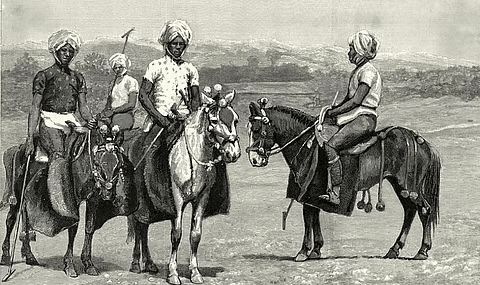
    Tucked away in the lush valleys of Manipur, in India’s northeast, lives a small but extraordinary breed of horse, the Manipuri Polo Pony or Meitei Sagol. Agile, resilient, and deeply intertwined with local culture, they are believed to be the original polo ponies. These ponies are more than just animals; they are living symbols of heritage, history, and sport.

    Often standing between 11 and 13 hands high, the Manipuri Polo Pony may be small in stature, but it is immense in spirit. Bred over centuries to adapt to Manipur’s marshy terrain and humid climate, the pony is known for its stamina, sure-footedness, and remarkable speed. These traits make it perfectly suited for polo, a sport that is believed to have originated in Manipur as Sagol Kangjei.

    Long before polo gained international fame, Manipuri players were showcasing their skills on these ponies in community grounds and royal courts. The close bond between rider and pony was essential, players relied on the animal’s intelligence and responsiveness as much as their own skill. Even today, traditional polo in Manipur preserves many of these original elements, keeping the spirit of the game alive.

    Beyond the polo field, these ponies have played an important role in daily life. They were once used for transportation, agriculture, and ceremonial purposes, making them central to Manipuri society. Folklore, songs, and festivals frequently reference the pony, highlighting its cultural significance.

    However, the Manipuri Polo Pony now faces serious challenges. Habitat loss, declining grazing lands, and reduced demand have led to a sharp drop in their population. Conservation efforts by local communities, government bodies, and cultural organizations aim to protect this rare breed through breeding programs and increased awareness.

    Preserving the Manipuri Polo Pony is not just about saving an animal, it is about safeguarding a living legacy. Each pony carries with it centuries of tradition, sport, and identity. As efforts continue to revive interest in indigenous polo and responsible conservation, there is hope that these spirited ponies will continue to gallop across Manipur’s fields for generations to come.

  • The Untold Story of India’s Marwari and Kathiawari Horses

    The Untold Story of India’s Marwari and Kathiawari Horses

    Horses have always had a special place in India’s history and heart. Two of the most unique breeds that stand out are the Marwari and Kathiawari horses. Both are native to India and carry centuries of culture, pride, and survival in their blood. Growing up, I often saw pictures of these elegant horses with their curved ears at the tips — a feature that makes them instantly recognisable. But beyond their looks, they tell stories of courage, tradition, and sadly, neglect.

    The Marwari horse, from the Marwar region of Rajasthan, was once the pride of Rajput warriors. They were bred for loyalty and bravery, carrying soldiers into fierce battles. Legends say they would even protect their riders after death. The Kathiawari horse, from Gujarat’s Kathiawar peninsula, is closely related but slightly smaller and built for endurance. They were trusted companions in the desert, known to survive harsh climates with little food or water. In old India, owning one of these horses meant honor and status — they weren’t just animals; they were symbols of nobility.

    Chetak – The Most Loyal Horse That Ever Lived

    I mentioned earlier that Marwari horses were bred for loyalty. No story about Indian horses is complete without mentioning Chetak, the legendary Marwari stallion of Maharana Pratap, the Rajput king of Mewar. Chetak wasn’t just a horse — he was a symbol of loyalty, courage, and sacrifice.

    During the Battle of Haldighati in 1576, Chetak carried Maharana Pratap into the thick of war against the Mughal army. Despite being mortally wounded by an enemy elephant’s tusk, Chetak carried Maharana Pratap to safety, jumping over a significant distance before succumbing to his injuries. His sacrifice is immortalised in the Chetak Samadhi at Haldighati, and his story is a powerful symbol of courage and loyalty. That moment became a symbol of unbreakable friendship and devotion between a man and his horse.

    Today, these horses are part of India’s living heritage. They’re still used in weddings, parades, and festivals, where their presence adds grace and tradition. In some rural areas, they remain essential for transport and farm work. But while they’re admired in ceremonies, many of them are not treated well in everyday life. Overbreeding, neglect, and being used for entertainment or tourist rides have caused suffering for many Marwari and Kathiawari horses. Some are kept in poor conditions, underfed, or forced to perform in shows just to earn money for their owners.

    This connects to the United Nations Sustainable Development Goal 15: Life on Land, which focuses on protecting, restoring, and promoting sustainable use of terrestrial ecosystems and preventing the loss of biodiversity. Horses like the Marwari and Kathiawari are part of India’s biodiversity — conserving them is not just about saving a breed, but also preserving culture, tradition, and balance in nature. By supporting responsible breeding, creating awareness, and treating these horses with respect, we help protect a living link to India’s past.

    As a 15-year-old who loves animals, I believe we all have a small role to play. Whether it’s speaking up against mistreatment, volunteering with animal welfare groups, or just learning about these magnificent creatures, every action counts. The Marwari and Kathiawari horses deserve to live not just as reminders of history, but as respected beings in India’s future.

  • Wild Horses and Conservation

    Wild Horses and Conservation

    Around the world, wild horses and feral horses play an important role in ecosystems and cultural traditions. While they are sometimes controversial due to competition with livestock or wildlife, they also embody resilience and freedom, drawing attention to the need for sustainable land management. One fascinating example can be found in Canada.

    Case Study: The Wildies of Canada

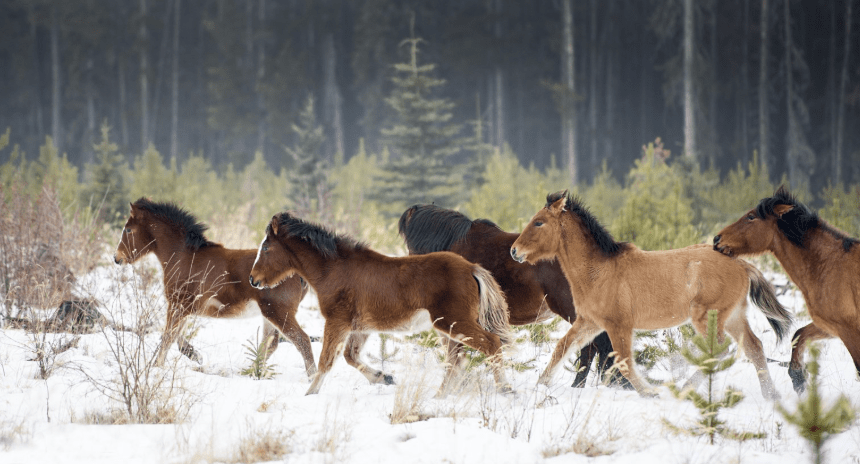
    Scattered across thousands of square kilometers of the foothills and grasslands of Alberta, British Columbia and Saskatchewan, are small bands of wild horses. The wild horses, or “Wildies” and ferals* as some call them, are mixed breeds of ancient North American equines or other breeds brought to Canada by the Spanish and Iberian settlers. They are now the beating heart of the wild and are a symbol of resilience, freedom and culture in Canada. 

    These wildies are deeply interconnected with Canada’s history, even though you don’t see them in the average history textbook. Early European settlers and indigenous communities used them as a means of transport, hunting and survival. Even today, indigenous groups preserve this memory and believe that horses hold a spiritual connection to the land, representing strength and harmony. They continue to inspire art, literature, and local pride, serving as living reminders of Canada’s cultural heritage.

    Did you know that their presence also has huge benefits? They graze on shrubbery and wild plants, making their feces highly nutritious to the soil. Their grazing habits also clear natural pathways through forests and vegetation, helping maintain ecosystems and create open spaces for birds and small mammals. However, they do pose some challenges. They sometimes compete with cattle or native wildlife for resources, raising questions about how to balance conservation with agricultural needs.

    Unlike deer or bears, wild horses in Canada are not officially recognised as wildlife, which makes protecting them difficult. Some herds face roundups or culls, sparking debate between ranchers, conservationists, and local communities. But what can we do? Many believe culling is cruel and unnecessary, so do I. There are more humane management methods, such as contraception, which helps manage population size, and adoption programmes, which encourage people to foster them on private property, protecting them and maintaining herd sizes.

    One might ask, why does this matter? Well, the Canadian wildies remind us that conservation is not only about preserving endangered species, but also about honouring the relationships between people, animals, and landscapes. Protecting them demonstrates how cultural identity and ecological balance can coexist, making them a powerful symbol of sustainable life on land.

    *A point to note is that these horses are not indigenous to North America but are an invasive species that adapted to the wild environment after being abandoned or escaping from humans, that is why they are called feral horses. The horses in Canada are feral, meaning they are descended from domesticated animals that have returned to a wild state.